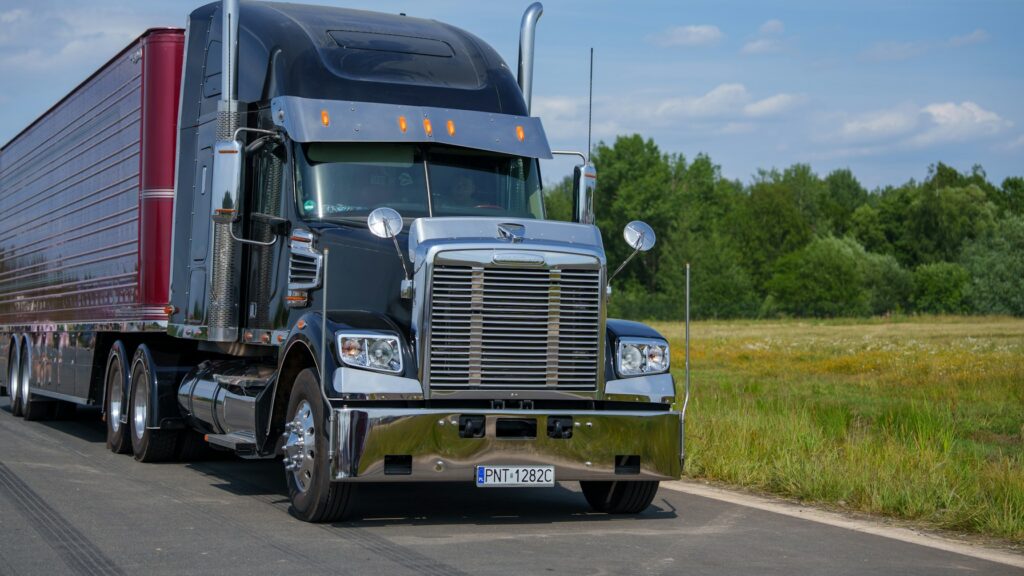
Power only dispatching means booking loads where the carrier supplies only the truck (the tractor) and the driver, and pulls a trailer that belongs to someone else, such as the shipper, the broker or a trailer leasing company. The driver hooks to a trailer that is often already loaded, delivers it, and drops it.
It is a useful option for owner-operators without a trailer, and for carriers whose own trailer is in the shop. Here is how power only works, what to check before you book, and its pros and cons.
Key takeaways
- In power only, the carrier brings the tractor and driver. Someone else owns the trailer.
- Most power only loads are drop and hook: the driver picks up a loaded trailer and drops it at the receiver.
- Read the trailer rules on the rate con and any trailer interchange agreement before the carrier signs.
- The carrier should ask its insurance agent whether it needs coverage for trailers it does not own.
- The driver should inspect the trailer and photograph it before pulling out.
How does power only trucking work?
A shipper or broker has a trailer that needs moving, but no truck to pull it. The carrier sends a tractor and driver, who hook up to that trailer and haul it to its destination.
Common power only moves include:
- Preloaded trailers: the shipper loads its own trailer ahead of time, and the driver picks it up from the yard.
- Drop trailers: the driver leaves the loaded trailer at the receiver and leaves without waiting to unload.
- Empty repositioning: moving empty trailers from one yard or customer to another.
- Trailer delivery: moving new or leased trailers to the company that will use them.
As a dispatcher, you still work for the carrier. You find the load, check the broker, negotiate the rate and make sure the terms protect the carrier, just as you would with a standard load.
How is power only different from a standard load?
The main difference is who owns the trailer, and that changes several things you need to check.
| Topic | Standard load | Power only load |
|---|---|---|
| Trailer | The carrier’s own trailer | Owned by the shipper, broker or a leasing company |
| Loading | Often live load at the shipper | Often a preloaded trailer, ready to hook |
| Delivery | Live unload or drop | Usually drop the trailer and leave |
| Trailer condition | The carrier maintains it | The driver must inspect someone else’s trailer |
| Insurance questions | Covered under the carrier’s normal policy | May need coverage for a non-owned trailer |
| Paperwork | Rate con and BOL | Rate con, BOL, and often a trailer interchange agreement |
What should a dispatcher check before booking power only?
Ask more questions than usual, because the trailer is not yours and problems with it can land on the carrier.
- Where is the trailer, and is it ready? Get the yard address, the trailer number and whether it is loaded and sealed.
- What kind of trailer is it? Dry van, reefer or flatbed. For a reefer, who fuels the unit and what temperature is required?
- What happens at delivery? Drop and leave, wait to unload, or pick up an empty trailer to bring back?
- What does the agreement say about damage? Read who is responsible for tires, lights and other trailer damage.
- Is the carrier’s insurance right for this? The carrier should check with its own insurance agent before taking power only work. Insurance requirements vary, so do not guess.
- Is the broker real? Check the broker’s authority and contact details first. Our free Broker Check tool walks you through six checks.
This is general information, not legal or insurance advice. The carrier should review any trailer agreement and its insurance coverage with the right professional.
A worked example
The details below are an example only.
Your carrier is an owner-operator whose trailer is in the shop for a week. Rather than sit idle, he asks you to find power only work.
You find a load: a preloaded, sealed dry van trailer at a shipper’s yard, going to a distribution center about 300 miles away, drop and hook at both ends. Before you negotiate, you confirm:
- The trailer number and the yard’s check-in process
- That the driver drops the loaded trailer and leaves with no return trip required
- That the carrier’s insurance agent has confirmed coverage for a non-owned trailer
- That the rate con lists the trailer number, the seal number and who handles trailer repairs
At pickup, the driver walks around the trailer, checks the tires, lights and doors, takes photos and notes any damage on the paperwork before leaving. If something is wrong, he reports it to you and you tell the broker before the truck moves.
What are the pros and cons of power only?
Power only can keep a truck working, but it is not right for every carrier or every week.
- Pro: a carrier with no trailer, or a trailer in the shop, can still haul freight.
- Pro: many loads are drop and hook, which can mean less waiting at docks.
- Pro: the carrier does not pay to own or maintain the trailer used.
- Con: trailer condition is out of the carrier’s control, and a bad trailer can cause delays.
- Con: damage and insurance questions need careful attention.
- Con: the number of loads available depends on who has trailers to move in that area.
Our guide to what a truck dispatcher does each day shows how loads like these fit into a normal workday, and our guide on how to read a rate confirmation helps you check the terms line by line.
Frequently Asked Questions
Do you need a trailer to do power only?
No. That is the point of power only. The carrier needs a tractor, a driver and its own operating authority to haul for hire, and the trailer comes from someone else.
What is a trailer interchange agreement?
It is a written agreement covering the use of a trailer the carrier does not own, including who is responsible for damage while the carrier has it. Read it carefully before the carrier signs.
What does bobtail mean?
Bobtail means driving the tractor with no trailer attached. A power only driver often bobtails to the pickup yard and away from the receiver after dropping the trailer.
Can a dispatcher book power only and standard loads for the same carrier?
Yes, as long as the carrier agrees and has the right equipment and insurance for each. Power only can fill gaps, such as when a trailer is being repaired.
See how the course teaches it
The Dispatcher 101 course covers equipment types in the Equipment and Freight section and walks through booking loads step by step. Students on both plans get 1-on-1 mentorship with Joe Piazza to talk through real loads. Before you decide, watch the free sample preview to see how the lessons are taught. The Gold plan adds the agreements and templates, 12 months of load board access, the Certificate of Completion and a 14-day money-back guarantee.