Dry van dispatching means finding, booking and managing loads for carriers that pull enclosed trailers with no temperature control. It is a common starting point for new dispatchers because dry van freight is everywhere, the equipment is simple, and the paperwork and process teach you the basics of every other trailer type.
This guide covers what a dry van hauls, the terms you will hear on every call, how to book a load step by step, and the mistakes beginners make most often.
Key takeaways
- A dry van is an enclosed trailer for freight that does not need heating or cooling.
- Dry van freight is common, so there are many loads, and many trucks competing for them.
- Always confirm weight, pallet count, loading type and appointment times before you book.
- Know the difference between live loads and drop and hook, and whether the driver must touch the freight.
- The skills you learn in dry van carry over to reefer, flatbed and other equipment.
What is a dry van in trucking?
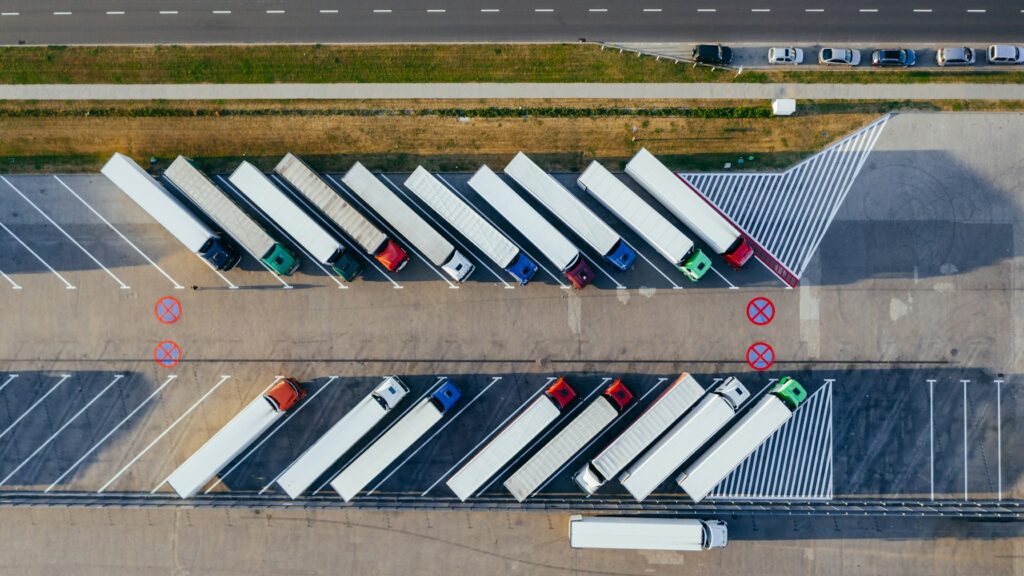
A dry van is a fully enclosed box trailer that protects freight from weather and theft but does not control temperature. The 53-foot trailer is the most common size, and you will also see 48-foot trailers.
Because the trailer is closed and simple, it can haul a wide range of goods. That is why many owner-operators start with a dry van, and why so many dispatchers start with dry van carriers.
What freight do dry vans haul?
Dry vans haul packaged goods that are safe at outside temperatures. Common examples include:
- Shelf-stable food and drinks in boxes or on pallets
- Paper, packaging and cardboard
- Household goods, furniture and appliances
- Retail and consumer products going to stores and distribution centers
- Building materials that must stay dry, such as bagged products
- Auto parts and general manufactured goods
Some freight looks like dry van freight but is not. Certain foods, drinks and chemicals need a reefer in hot or cold weather. If the shipper mentions a temperature, it is not a dry van load. Our beginner’s guide to reefer dispatching explains how those loads work.
What terms do dry van dispatchers need to know?
You will hear these terms on almost every dry van call. Know them before you talk to a broker.
| Term | What it means | Why it matters to you |
|---|---|---|
| Live load / live unload | The driver waits while the freight is loaded or unloaded | Waiting time can be long, so check detention terms |
| Drop and hook | The driver drops an empty trailer and hooks a loaded one | Usually faster, but the carrier needs a trailer that fits the plan |
| Palletized | Freight is on pallets and moved by forklift | Faster to load and unload |
| Floor loaded | Boxes are stacked directly on the trailer floor | Slow to unload, and often needs a lumper |
| No touch | The driver does not handle the freight | Confirm it is written on the rate con |
| Driver assist | The driver helps load or unload | Ask the carrier first, and ask for extra pay if fair |
| Lumper | A worker paid to unload at the receiver | Know who pays and how the carrier is reimbursed |
| Seal | A numbered tag that locks the doors after loading | The seal number goes on the BOL and must match at delivery |
| Load bars or straps | Equipment that keeps freight from shifting | Some shippers require them, so check before the truck arrives |
How do you book a dry van load, step by step?
Every load follows the same basic path. Do it the same way every time and mistakes drop off.
- Know your truck. Trailer length, door type, the most weight the carrier is comfortable hauling, and any equipment like load bars or straps.
- Know your carrier’s goals. Home time, preferred lanes, and the lowest rate they will accept.
- Search for loads. Filter by origin, pickup date, equipment and destination.
- Call the broker and ask questions. Commodity, weight, pallet count, live or drop, appointment times, and whether it is no touch.
- Check the broker. Confirm their authority and contact details before you agree to anything. Our free Broker Check tool walks you through it.
- Negotiate and confirm. Agree on the rate, then read the rate confirmation line by line before the carrier signs. Check the rate, dates, weight and any extra terms.
- Dispatch the driver. Send the addresses, times, reference numbers and any special instructions.
- Track and close out. Make check calls, collect the signed BOL and any lumper receipts, and send the paperwork for invoicing.
A worked example
The details below are an example only.
A broker posts a load of boxed paper goods: 38,000 pounds, 24 pallets, pickup tomorrow morning, delivery the next afternoon. Before you talk rate, you ask four questions:
- Live or drop? Live load at the shipper, drop and hook at the receiver.
- Palletized or floor loaded? Palletized.
- No touch? Yes, no touch.
- Load bars needed? Yes, two.
You confirm with the carrier that the driver has two load bars and can make the pickup window with the hours available. Only then do you negotiate the rate. When the rate con arrives, you check that “no touch” and the appointment times are written on it before the carrier signs.
What mistakes do new dry van dispatchers make?
- Not asking about loading type. A floor-loaded trailer can mean hours of waiting or unloading the driver did not expect.
- Ignoring the weight. Always check the load weight against what the carrier’s truck can legally and safely haul.
- Chasing the highest rate only. A strong rate into an area with few outbound loads can leave the truck empty for days.
- Forgetting the seal number. Make sure the driver records it on the BOL at pickup.
- Booking without the carrier’s okay. Your job is to work for the carrier, so book within the limits they set.
Once you are comfortable with dry van, other equipment becomes easier to learn. Our flatbed dispatching guide is a good next step if a carrier asks you to take on open-deck work.
Frequently Asked Questions
Is dry van dispatching good for beginners?
Yes, it is often the easiest place to start. The equipment is simple, the freight is common, and the process teaches the basics you will use with every trailer type.
How many pallets fit in a 53-foot dry van?
A 53-foot dry van is often said to fit about 26 standard pallets on the floor, single stacked. The real number depends on pallet size, how they are turned and the weight, so always confirm with the broker.
Can a dry van carrier haul reefer freight?
No. If the freight needs temperature control, it needs a reefer. Some reefer carriers haul dry freight with the unit off, but a dry van cannot do the reverse.
What is a power only load?
It is a load where the carrier supplies only the truck and driver and pulls a trailer that belongs to someone else. It is a different setup from a standard dry van load.
Learn dry van dispatching step by step
The Dispatcher 101 Dispatching Guide covers trailer types in the Equipment and Freight section, then walks through finding and booking loads in Finding Freight and Booking Your First Load. Students on both plans get 1-on-1 mentorship with Joe Piazza for questions about real loads. The Gold plan adds the templates and scripts, 12 months of load board access, the Certificate of Completion and a 14-day money-back guarantee.