TLDR
- Reefer = refrigerated trailer: You book temperature-controlled freight for produce, food, pharma, and other sensitive cargo.
- Details decide profit: Temp set points, pre-cool, continuous vs cycle, product type, and appointment windows matter as much as rate per mile.
- Higher skill ceiling: Reefers often pay more than dry van when you protect the load and plan smart lanes.
- Train with structure: Dispatcher 101 covers equipment types, broker calls, and booking workflows for new independent dispatchers.
What Is Reefer Dispatching?
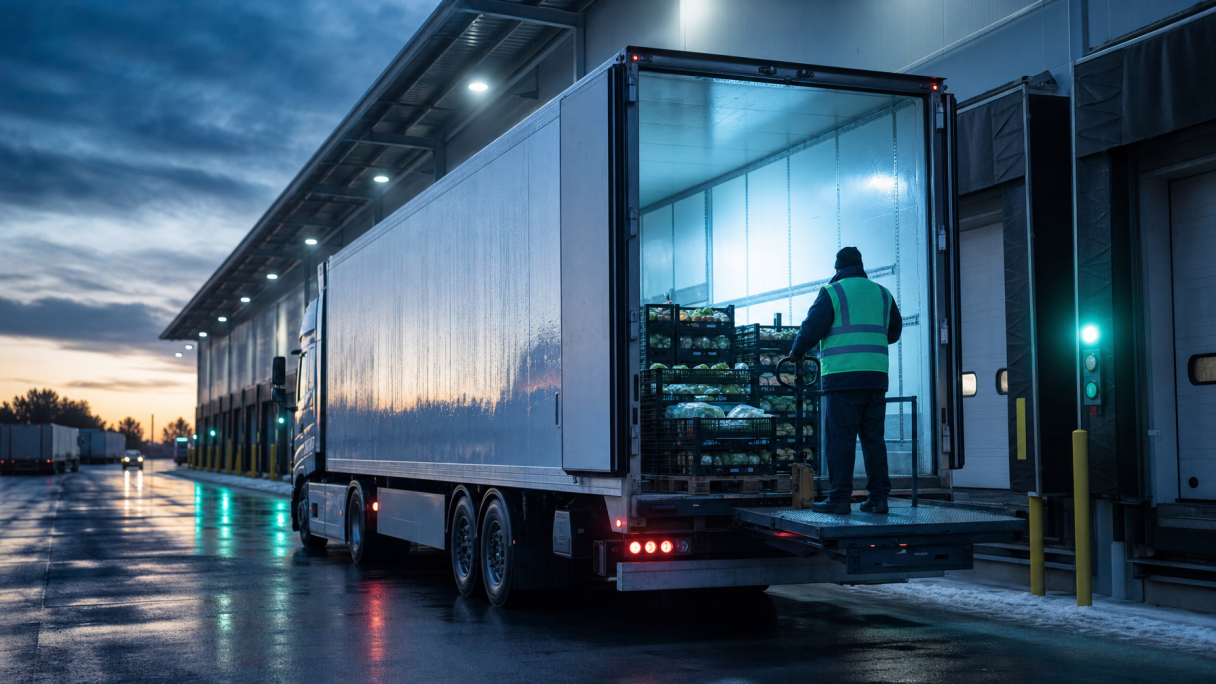
Reefer dispatching is the practice of finding, negotiating, and managing loads for refrigerated trailers. Unlike dry van freight, the cargo depends on a working refrigeration unit (the "reefer") and strict handling rules from pickup to delivery.
Common reefer freight includes:
- Fresh and frozen produce
- Meat, dairy, and seafood
- Packaged frozen foods
- Candy and chocolate (heat-sensitive)
- Some pharmaceuticals and chemicals
- Floral and other temperature-sensitive specialty freight
Your job as dispatcher: match the right load to the right truck, confirm temperature instructions in writing, keep the driver informed, and plan the next load before this one delivers.
Reefer Basics Every New Dispatcher Must Know
Temperature Set Points
Brokers and shippers specify a temperature (for example, 34°F for some produce or 0°F / -10°F for frozen). You must:
- Confirm the set point on the rate confirmation.
- Make sure the driver pre-cools the trailer when required.
- Never assume "reefer load" means one universal temperature.
Continuous Run vs Cycle Run
- Continuous: Unit runs nonstop to hold a tight temp band. More fuel burn.
- Cycle: Unit cycles on and off. Often used when product can tolerate slight variance.
Wrong mode can damage product and create claims. Put the mode in writing.
Pulp Temps and Product Checks
Some shippers require pulp temperature checks at pickup. If product is out of range at the dock, the driver should document and call before loading. Teach your carriers to protect themselves with photos, temps, and timestamps.
Fuel and Reefer Unit Reality
Reefer units burn extra fuel. A pretty RPM on paper can fail after you account for reefer fuel, detention risk, and empty miles to the next cold load. Always run true net math for your client.
How Reefer Dispatch Differs From Dry Van
| Factor | Dry Van | Reefer |
|---|---|---|
| Cargo risk | Lower temp sensitivity | High claim risk if temp fails |
| Equipment | Standard trailer | Trailer + reefer unit maintenance |
| Fuel | Tractor fuel only | Tractor + reefer fuel |
| Seasonality | More stable patterns | Harvest and holiday spikes |
| Appointments | Important | Often stricter (grocery, food DCs) |
| Lane planning | Flexible | Need next reefer-friendly freight |
Beginners who treat reefers like dry vans lose carriers fast. Respect the extra complexity.
Step-by-Step: Booking Your First Reefer Loads
1. Confirm Client Equipment and Preferences
Ask every reefer carrier:
- Trailer length and unit brand/age
- Preferred temp ranges and commodities
- Regions they love and regions they refuse
- Minimum RPM after reefer fuel
- Home time and weekly mileage goals
2. Search With Filters That Matter
On boards like DAT, filter for reefer equipment, weight, and full/partial as needed. Read the notes for temp, team/solo, and tarp requirements (rare on pure reefer, but always read).
3. Call the Broker With a Pro Script
Cover:
- Empty time and location
- Trailer type and dimensions
- Ability to hit pickup appointment
- Temp and continuous/cycle confirmation
- Rate ask with lane justification
- Detention and lumper expectations
4. Lock Details on the Rate Con
Before you send the rate confirmation to your driver, verify:
- Origin/destination and appointments
- Temperature and run mode
- Rate, advances, and any accessorial language
- Special instructions (seal, washout, food-grade trailer)
5. Track Actively
Reefers punish silence. Check in on pickup, in-transit (especially long hauls and weather events), and delivery. If the unit alarms or the driver hits a breakdown, escalate immediately.
6. Plan the Reload Early
Cold chain freight clusters in certain outbound markets. If you deliver into a weak reefer market, book the next leg before the truck empties.
Rate Strategy for Reefer Dispatchers
- Do not chase posted rate blindly. Factor reefer fuel, deadhead, and next-lane strength.
- Seasonal windows matter. Produce peaks and holiday food freight can lift rates; know your client's harvest-linked lanes.
- Claims kill relationships. One bad temp event can erase months of commission goodwill.
- Build broker lists. Food and produce brokers who trust you will call before the board updates.
Structured practice helps. Dispatcher 101 trains new dispatchers on equipment-specific booking so reefer calls sound professional from week one.
Common Beginner Mistakes in Reefer Dispatching
- Ignoring pre-cool instructions
- Booking frozen into a market with no frozen outbound
- Forgetting washout or food-grade requirements
- Underestimating detention at grocery DCs
- Failing to document temp issues at the dock
- Selling a rate that looks good until reefer fuel is counted
Skills That Make You Valuable on Reefer Trucks
- Clear, calm phone communication under pressure
- Basic geography of produce and food distribution hubs
- Hours-of-service planning around tight appointments
- Claim prevention mindset
- Honest updates when something slips
You do not need a CDL. You do need discipline and training.
Frequently Asked Questions
Is reefer dispatching good for beginners?
Yes, if you learn the extra rules first. Many new dispatchers start on dry van, then add reefer. Others jump into reefer with strong mentorship and checklists.
Do reefer loads pay more than dry van?
Often they can, especially in tight seasons or specialized commodities. Net profit still depends on fuel, empty miles, and claim risk.
What temperature should a reefer be set to?
There is no single answer. Follow the rate confirmation and shipper instructions for that product. When unclear, get written clarification before pickup.
Can I dispatch reefers from home?
Yes. Reefer dispatch is remote-friendly. You need reliable internet, phone access, and a process for after-hours issues.
Where can I learn reefer dispatching the right way?
Use a practical training path like Dispatcher 101 for load board skills, scripts, templates, and mentorship, then specialize with reefer checklists on every booking.
Conclusion
Reefer dispatching rewards detail-oriented dispatchers. Master temperature instructions, true cost math, and proactive reload planning, and you become the person owner-operators trust with their most sensitive freight.
Start building those skills today at Dispatcher 101 for $55/month.