TLDR
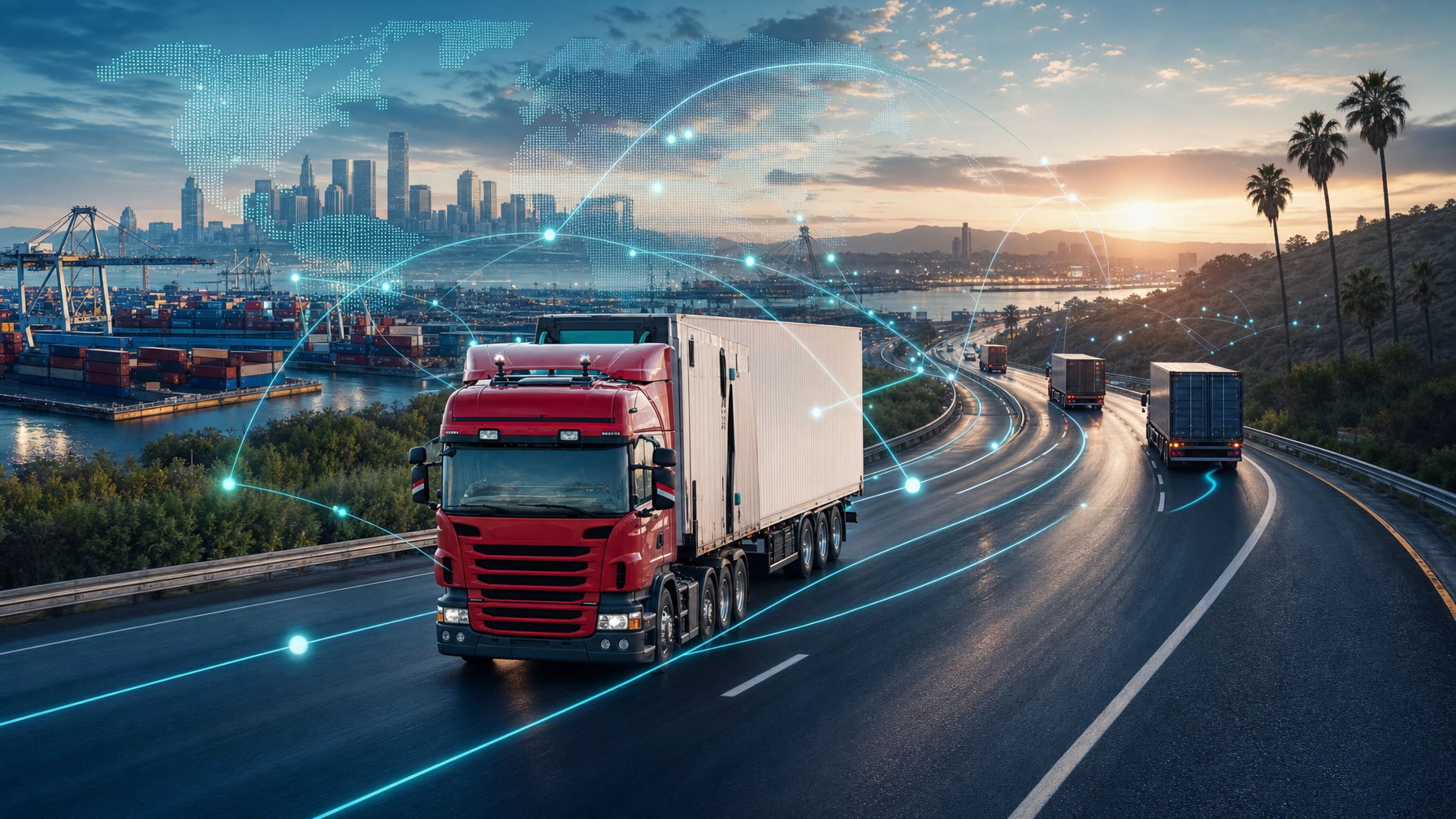
- High-Demand Region: California moves massive volumes through the Ports of Los Angeles and Long Beach, the Central Valley produce corridor, and I-5 / I-10 interstate freight.
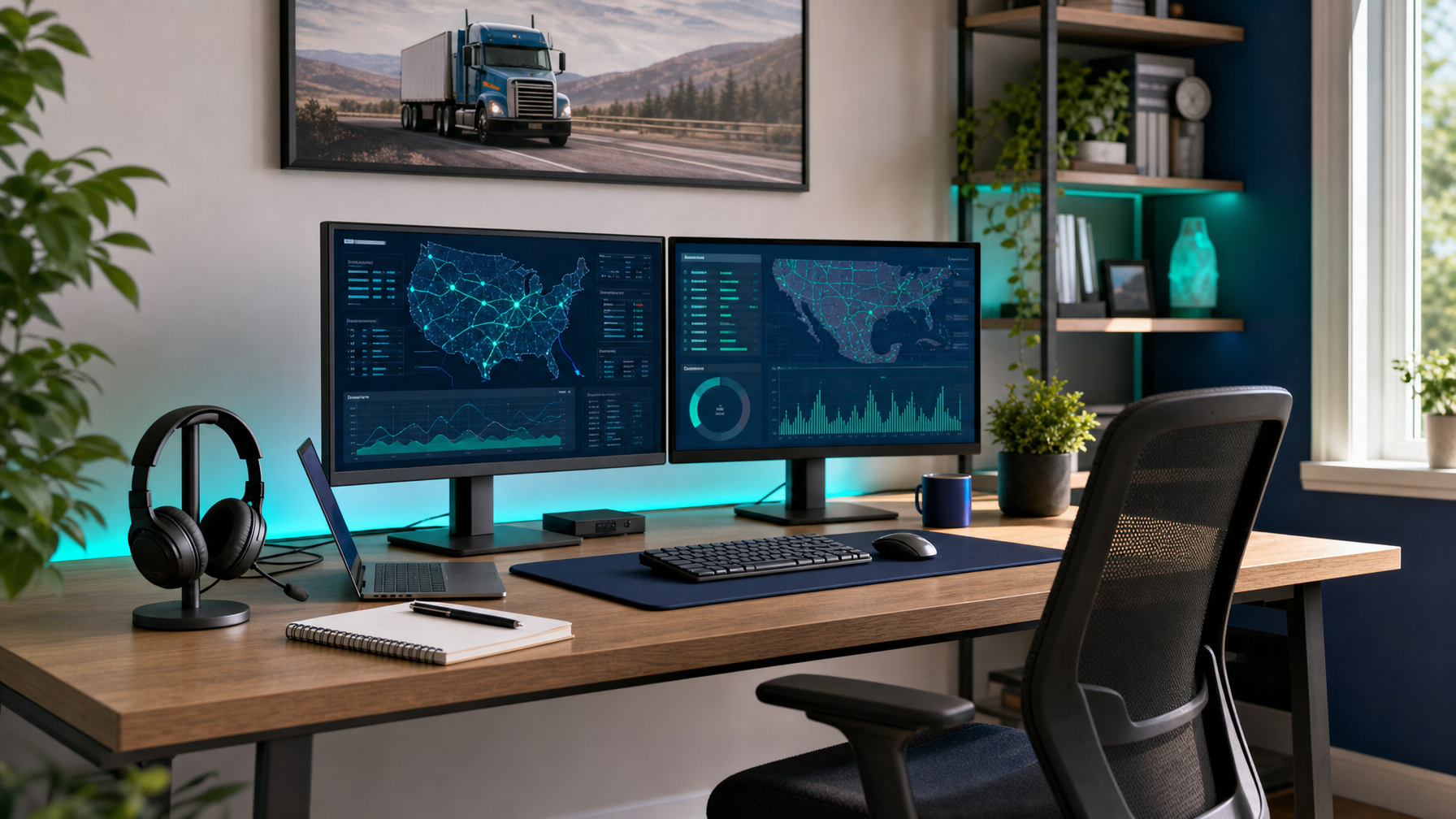
- No Physical Location Required: Independent truck dispatchers work 100% remotely with a laptop, phone, and load board access.
- No CDL or Broker License Needed: You operate under a dispatch service agreement with motor carriers; no $75,000 broker bond required.
- Online Accredited Training: Get 50+ hours of video lessons, 100+ templates, and 1-on-1 mentorship at Dispatcher 101 for $55/month.
Why California Is a Premier Market for Freight Dispatchers
California sits at the center of West Coast freight. Independent dispatchers who understand state-specific lanes keep owner-operators loaded and profitable:
- Ports of Los Angeles and Long Beach: One of the busiest container complexes in North America; steady dry van and reefer demand tied to import and export cycles.
- Central Valley Agriculture: Produce, nuts, and refrigerated food move year-round toward distribution hubs and out-of-state markets.
- I-5, I-10, and I-15 Corridors: Primary arteries for long-haul freight north to the Pacific Northwest, east to Arizona and Texas, and inland to Nevada and Utah.
- Bay Area and Inland Empire Warehousing: Dense distribution networks that generate short-haul and regional runs.
California also brings real operational friction: mountain grades, tight urban delivery windows, CARB-related equipment rules for carriers, and heavy congestion around the ports. Strong training prepares you to book loads that fit your clients' equipment and preferences.
4 Steps to Start Dispatching Trucks in California
Step 1: Learn California Freight Lanes and Equipment Types
Match freight to the right equipment before you pitch carriers:
- Dry Vans (53ft): Retail and consumer goods moving from Southern California DCs to inland and East Coast destinations.
- Reefers: Produce and temperature-sensitive food out of the Central Valley and coastal packers.
- Flatbeds and Step Decks: Construction materials, steel, and machinery across industrial corridors.
- Intermodal and Port Drayage Context: Many California carriers live near port and rail ramps; know when your client wants long-haul vs. local work.
Step 2: Master Core Compliance and Carrier Onboarding
Federal rules still control the game. Audit every carrier against FMCSA SAFER data:
- Active Motor Carrier (MC) authority and insurance status.
- W-9 and Certificate of Insurance (typically $1M liability / $100K cargo minimums).
- A clear Dispatch Service Agreement that sets your 5% to 10% commission per load.
- Hours-of-service awareness so appointments and multi-stop plans stay legal.
Step 3: Use Digital Freight Tools
Home-based California dispatch runs on software:
- Load Boards: DAT and Truckstop for spot market freight and rate intel.
- Document Tools: E-sign for rate confirmations and carrier packets.
- Factoring Coordination: Help owner-operators get paid quickly after POD submission.
- Route Reality Checks: Account for mountain passes (Grapevine, Sierra routes), port traffic, and delivery appointment tightness.
Step 4: Enroll in Self-Paced Online Training
Skip expensive in-person seminars in LA or the Bay Area. Build skills online with a program built for independent operators.
Program highlights at Dispatcher 101:
- 50+ Hours of Practical Video Content: Broker calls, load board searches, and rate negotiations.
- 100+ Ready-to-Use Templates: Carrier packets, rate sheets, and dispatch contracts.
- 1-on-1 Mentorship: Direct support as you book first loads and build your carrier roster.
California-Specific Dispatch Tips
- Port congestion: Build buffer time into schedules when freight touches LA/Long Beach.
- Produce seasonality: Reefer demand spikes with harvest cycles; learn temp set points and continuous vs. cycle run expectations.
- Mountain grades: Some carriers avoid heavy loads over steep terrain; ask preferences early.
- Backhauls out of California: Empty miles westbound into California are common; strong outbound booking protects your client's revenue.
Frequently Asked Questions
Do I need a California state license to become a truck dispatcher?
No. Independent truck dispatchers provide logistics and administrative services under a private agreement with the carrier. You do not need a CDL, state dispatcher license, or freight broker bond.
Can I dispatch California trucks while living in another state?
Yes. Load boards, broker calls, and paperwork are digital. Many successful dispatchers serve California carriers from outside the state.
How much do California dispatchers charge per truck?
Most independent dispatchers charge 5% to 10% of gross load revenue. Many aim for roughly $800 to $1,200 per truck per month once the relationship is stable. Three to five trucks can put you in the $3,000 to $5,000 monthly range.
Is truck dispatcher training in California required by law?
No legal training mandate exists for independent dispatchers. Structured training still separates amateurs from professionals who retain carriers and negotiate strong rates.
Start Your California Dispatching Career Today
California freight rewards dispatchers who know lanes, equipment, and real-world constraints. Join over 34,000 enrolled students at Dispatcher 101 and start accredited training for $55/month.