TLDR
- Hotshot dispatching means booking time-sensitive, often partial or specialized freight for pickup trucks and deck-over/gooseneck trailer combos.
- Speed and fit matter more than vanity miles: wrong dimensions or securement kill the load.
- You work for the carrier under a dispatch agreement; you do not need a broker bond to dispatch.
- Train before you promise coverage: Dispatcher 101 covers boards, negotiation, compliance habits, and templates for $55/month.
What Hotshot Dispatching Is
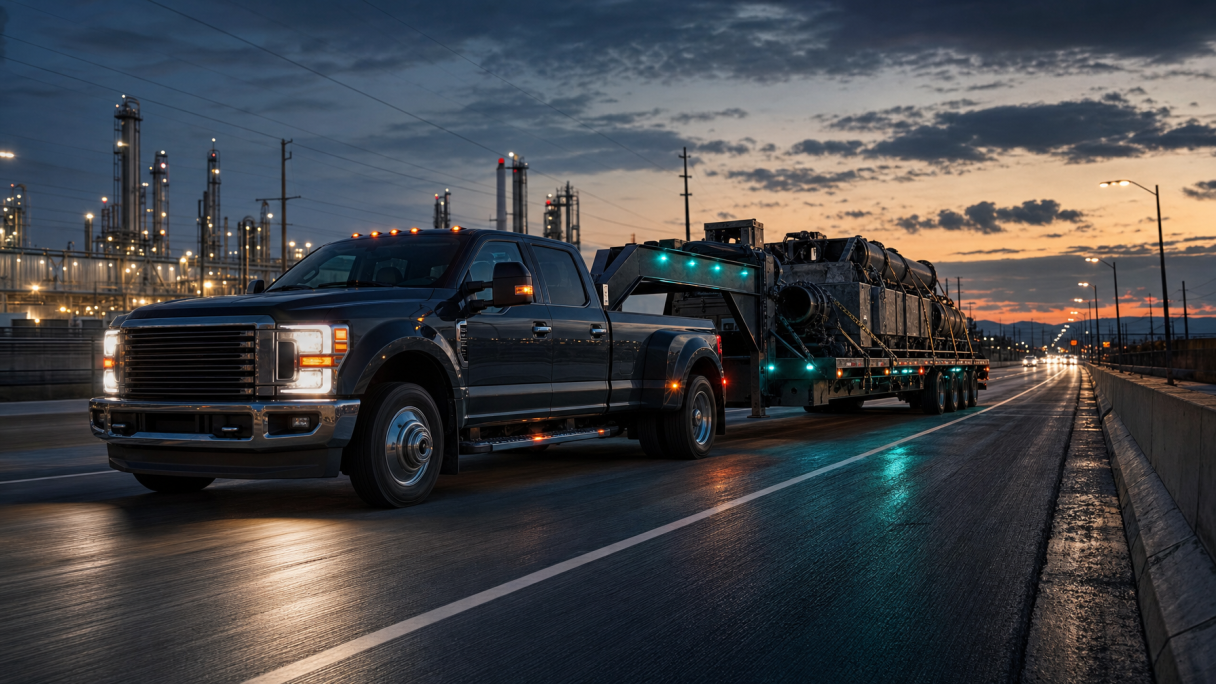
Hotshot carriers move freight that needs to go sooner, smaller, or more directly than a standard 53' dry van appointment. Equipment is typically:
- Heavy-duty pickup (often dually)
- Gooseneck or deck-over trailer
- Straps, chains, binders, and sometimes tarps
As the dispatcher, you match that setup to broker/shipper freight, negotiate rate and detention rules, and keep paperwork clean. Community discussions in hotshot operator circles stress real costs, realistic rates, and equipment limits before anyone "just starts running" (example operator caution threads). Your job is to bring that same realism to every book.
CDL vs Non-CDL: Why Dispatchers Must Care
Hotshot is not one legal bucket.
- Non-CDL hotshot: Combination stays under applicable GVWR thresholds and other rules for the states of travel. Freight weight and trailer loading must stay legal.
- CDL hotshot: Heavier combinations; driver holds the proper class and endorsements.
You do not drive the truck, but you must know what that authority and driver can legally haul before you tender a load. Booking overweight or wrong-class freight is how new dispatchers lose carriers on week one.
Always confirm with the carrier:
- CDL status and endorsements
- Trailer type and deck length
- Max comfortable weight
- Tarp / dual-axle / RGN capabilities if any
- Home time and max radius
Freight Hotshot Dispatchers Commonly Touch
| Freight type | Dispatcher watch-outs |
|---|---|
| Industrial parts and partial machinery | Dimensions, fork vs crane, securement points |
| Construction materials | Jobsite access, appointment windows, lumper/help |
| Oilfield and energy-related moves | Remote pickups, wait time, road conditions |
| Dealership / specialty equipment | Timing sensitivity, paperwork accuracy |
| Expedited partials | True urgency vs cheap "hot" labels |
If the broker cannot answer weight, dims, and loading method, you do not book.
How Hotshot Dispatching Works (New Dispatcher Workflow)
1. Qualify the carrier
MC authority active, insurance current, equipment photos or specs on file, dispatch agreement signed.
2. Mine the right freight
Use major boards such as DAT plus broker relationships that actually post hotshot-friendly freight. Filter hard on equipment notes.
3. Negotiate like a pro
Discuss all-in rate, detention after X hours, layover, and any escort or permit needs the carrier must handle. Put it on the rate con.
4. Protect execution
Share exact facility notes, gate codes process, and securement expectations. Stay reachable during pickup.
5. Close the loop
POD, invoice support, quick debrief: would we pull this broker again?
Hotshot cycles can be faster than long-haul van. Your response time is part of the product.
Money and Expectations for New Dispatchers
- Fee model: Usually 5%–10% of gross; some hotshot carriers prefer clear weekly minimums plus percentage when volume spikes.
- Income reality: Fewer trucks can still pay if RPM and utilization stay high; empty hotshot miles hurt fast because fuel burn on pickups is real.
- Value proof: Track weekly loaded miles, average rate, and deadhead % per truck so carriers see your impact.
Do not promise "$3k/week every week" in sales pitches. Promise process, communication, and honest market reads.
Common Rookie Mistakes in Hotshot Dispatching
- Booking by rate alone while ignoring deck length or oversize flags
- Assuming non-CDL can take any "hotshot" post
- Skipping broker credit checks on unfamiliar postings
- No written agreement with the carrier
- Disappearing after the RC when the driver hits a problem at the dock
- Scaling to six trucks before systems exist for one
Avoid these and you already beat most Facebook-group "dispatchers."
Compliance Snapshot (Dispatcher Side)
- No universal federal hotshot-dispatcher license (DAT license context).
- Stay in the dispatch lane unless you obtain broker authority.
- Verify carriers via FMCSA SAFER.
- Keep local business registration current where you operate.
Training plus clean paperwork beats bravado.
How New Dispatchers Should Train for Hotshot
Hotshot success is 50% market skill and 50% professionalism under time pressure. Get both before you market yourself as "hotshot dispatch."
Dispatcher 101 gives new independents:
- Practical load board and negotiation training
- Templates for agreements and carrier onboarding
- Mentorship when a load goes sideways at 6 p.m.
- $55/month access so you can learn without a huge upfront bet
Use the core curriculum, then apply every lesson to hotshot equipment specs and faster cover cycles. Pair training with operator education resources in the hotshot space as your carriers grow (industry dispatch blueprint style guides exist for operators), but build your business systems first.
Frequently Asked Questions
What every new dispatcher needs to know about hotshot dispatching?
Know equipment limits, legal weight class, true urgency vs fake urgency, and how to write airtight rate confs. Speed without accuracy loses money.
Do I need a CDL to dispatch hotshot trucks?
No. Drivers may or may not need a CDL based on combination weight and configuration.
Is hotshot better than dry van for beginners?
It can be a great niche if you like detail and phone work. It is less forgiving of dimension mistakes than van freight.
How do I find hotshot carriers?
Networking, carrier groups, referrals, and professional outreach. Deliver results for one carrier; ask for introductions.
Can I dispatch hotshot from home?
Yes. Reliability and rapid communication matter more than an office.
Where do I learn the full independent dispatch business?
Dispatcher 101 is a direct starting point for process, templates, and mentorship at $55/month.
Take the Next Step
Hotshot dispatching rewards prepared new dispatchers who respect physics, paperwork, and pickup times. Get trained, sign clean contracts, and earn trust one legal, profitable load at a time.
Start with Dispatcher 101 and build a hotshot dispatch practice on skill, not hype.