TLDR
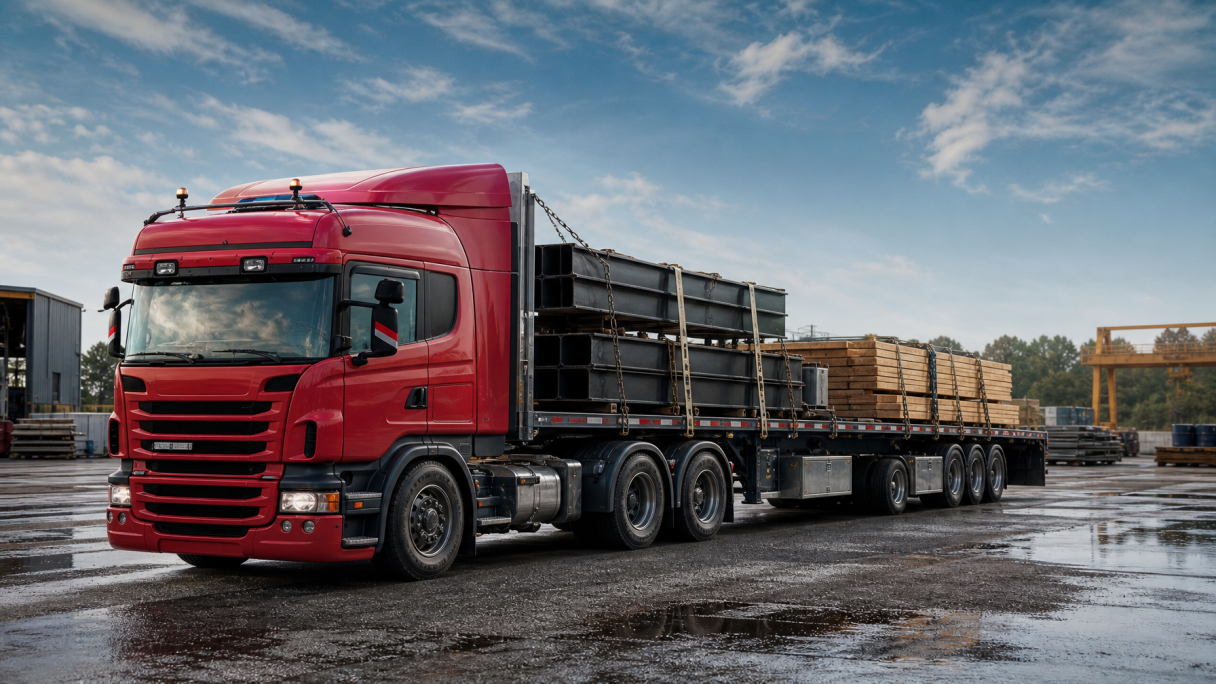
- Flatbed dispatching is booking open-deck freight (steel, building materials, machinery, and more) for flatbed, step deck, and related equipment.
- Securement and weather rules the day: tarps, chains, permits, and site conditions matter as much as RPM.
- Independents earn a percentage (often 5%–10%) under a carrier dispatch agreement; no CDL required for the dispatcher.
- Learn the craft with structure: Dispatcher 101 teaches boards, negotiation, compliance habits, and templates for $55/month.
What Flatbed Dispatching Means
Flatbed dispatch means you find, negotiate, and manage freight specifically for open-deck trailers. Industry service guides describe the role as getting, scheduling, and organizing flatbed loads for owner-operators and small fleets.
You represent the carrier:
- Match legal freight to deck type and driver skill
- Negotiate rate and accessorials (tarps, detention, layover, lumper where applicable)
- Confirm details in writing
- Stay on communication until delivery and paperwork close
Independent day-in-the-life writeups of Midwest flatbed dispatch show early mornings, constant phone work, and multi-truck coordination as the norm. Expect a proactive pace.
Why Flatbed Is a Premium Niche
Compared with plain dry van, flatbed often offers:
- Higher rate potential on skilled freight (industry career guides frequently note reefer and flatbed paying more per carrier than basic van work in many markets)
- Stickier carrier relationships when you truly understand their deck and tarp gear
- Less pure commodity feel on specialized industrial lanes
The tradeoff: more ways to book the wrong load. New dispatchers who treat flatbed like "van without walls" fail quickly.
Equipment Types You Must Speak Fluently
| Equipment | Typical use | Dispatcher checkpoint |
|---|---|---|
| Standard flatbed (48') | Steel, lumber, freight that fits height rules | Tarp status, coil racks, stake pockets |
| Step deck / drop deck | Taller freight under bridges | Exact height and length |
| Double drop / RGN | Heavier / taller specialized | Permits, escorts, route surveys (carrier-owned tasks) |
| Hotshot open deck | Smaller partials | Weight class and deck length |
Collect a one-page equipment profile for every truck you manage. Update it when they buy gear.
Freight Categories and Booking Filters
Common flatbed freight
- Steel coils and bundles (coil racks / securement skill)
- Lumber and building products
- Machinery and fabricated metal
- Pipe, concrete products, and construction materials
- Some military or industrial project freight
Questions you ask every time
- Exact weight and dimensions?
- Tarps required (lumber, steel, full, or none)?
- Loading method (side, overhead crane, forklift)?
- Straps vs chains expectations?
- Jobsite vs warehouse, and live vs drop?
- Any oversize/overweight flags?
No clear answers means no booking.
Daily Flatbed Dispatch Workflow
Pre-cover
Know each driver's tarp inventory, remaining HOS, and preferred regions. Weather matters: tarping in ice storms is not a paperwork detail.
Cover
Work boards (DAT and others) and direct broker contacts. Negotiate all-in numbers. Confirm tarp pay if the market supports it on that lane.
Tender
Rate con reviewed by carrier. Highlight special notes. Send facility information early.
In-transit
Be available for rejected freight, securement disputes, and weather delays. Document with photos when carriers send them.
After delivery
POD and invoice path. Rate the broker experience so you do not repeat painful shippers.
Money: How Independent Flatbed Dispatchers Get Paid
- Percentage of gross: most common at roughly 5%–10%
- Value justification: track average RPM, tarp jobs won, and detention recovered
- Carrier profitability first: a "high" rate that requires illegal securement or unpaid two-day wait is not a win
Start with one or two flatbed owner-operators. Earn the right to scale.
Legal and Business Setup (Clear and Simple)
- No special federal flatbed-dispatcher license (DAT on dispatcher licensing context).
- Operate under written dispatch agreements with motor carriers.
- Do not hold out as a broker without FMCSA broker authority and bond.
- Verify MC/insurance on FMCSA SAFER.
- Register your business locally as required.
You do not need a CDL to dispatch. You do need respect for the regulations your drivers live under.
Skills New Flatbed Dispatchers Should Build First
- Dimensional thinking (height, length, overhang)
- Tarp literacy (when brokers bury tarp requirements)
- Industrial broker networks beyond generic van posters
- Calm problem-solving when a receiver claims a shift
- Honest carrier coaching when a load is outside their skill
These are trainable. Ego is optional; checklists are not.
Training Path for New Independent Dispatchers
Watching random videos is not a system. A curriculum with templates and feedback is.
Dispatcher 101 helps you build the independent dispatch business the right way:
- 50+ hours of practical dispatch training
- 100+ templates for contracts, trackers, and carrier packets
- Mentorship for real booking situations
- $55/month pricing for new operators
Complete the core program, then specialize your notes for flatbed securement questions and industrial lanes. The business engine (onboarding, boards, negotiation, documents) stays the same across equipment types.
Frequently Asked Questions
What is flatbed dispatching?
It is carrier-side freight booking and management for open-deck trailers, including rate negotiation and in-transit support.
Do new independent dispatchers need flatbed driving experience?
Helpful, not mandatory. You do need to learn equipment limits and securement language before you sell yourself as a flatbed specialist.
How is flatbed different from dry van dispatch?
More variables: tarps, securement, height, jobsites, and weather. Communication load is heavier.
Can I dispatch flatbed from home?
Yes. Many independents do. Phone reliability and document speed are the real office requirements.
How many trucks should I manage at first?
One excellent relationship. Add trucks only when your on-time communication stays sharp.
Where should I train?
Use a dispatcher-focused program such as Dispatcher 101 rather than broker-only training if you plan to work for carriers.
Start Your Flatbed Dispatch Practice
Flatbed dispatching is one of the most skilled niches in independent freight. Learn the language of the deck, protect your carriers, and build a reputation for clean books and honest covers.
Enroll at Dispatcher 101 for $55/month and launch your flatbed dispatch services with training, templates, and mentorship behind every load you touch.