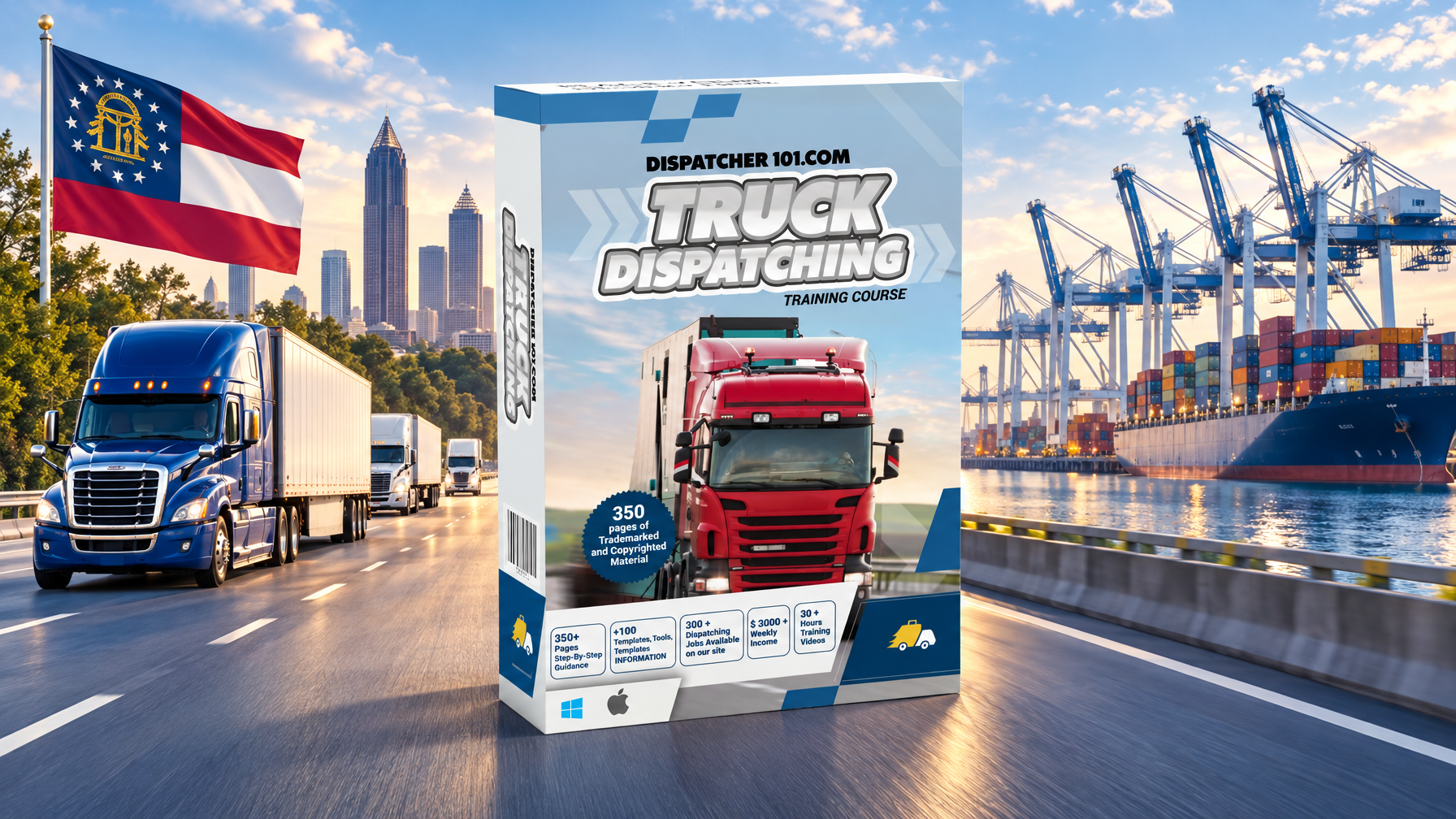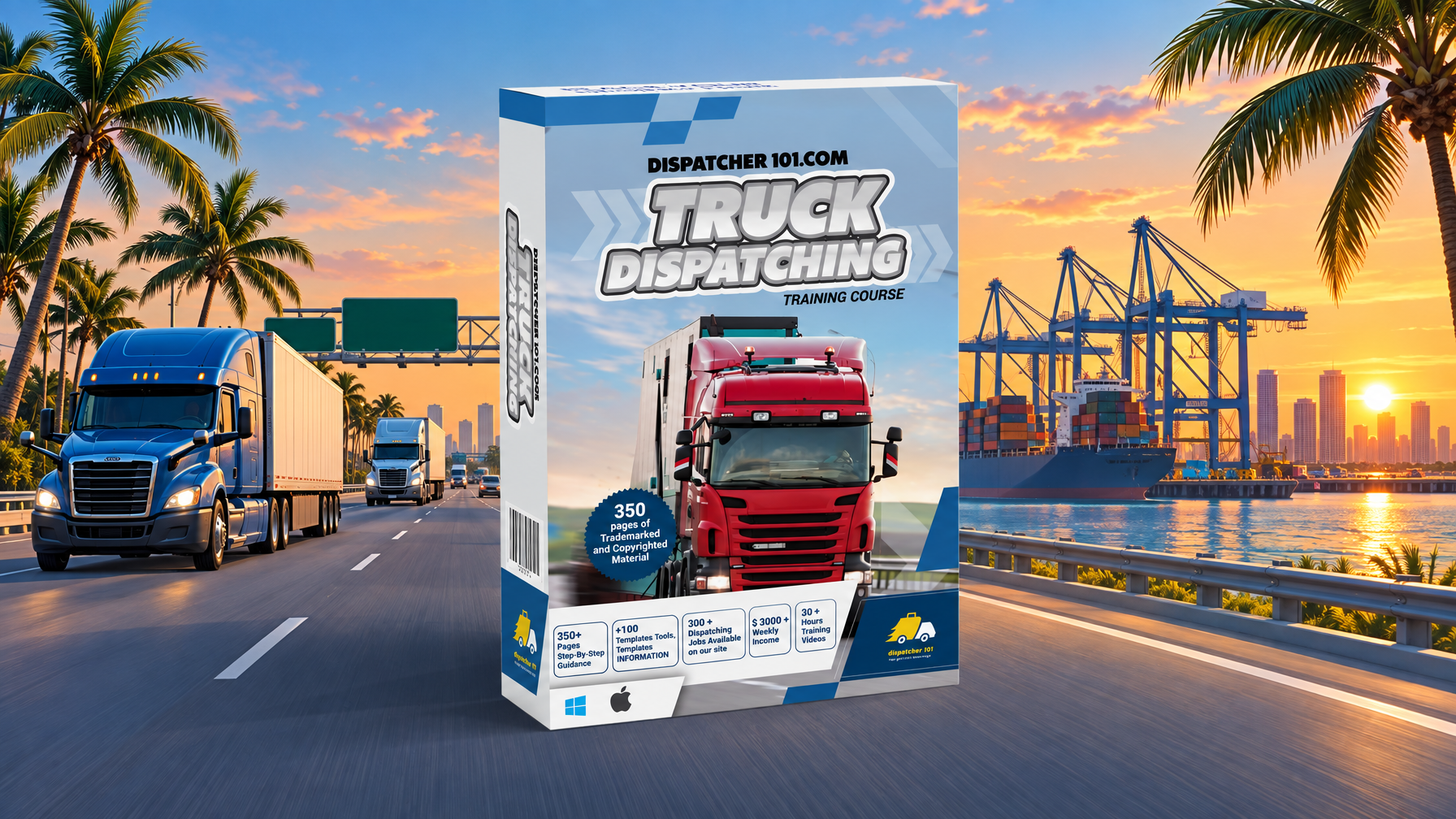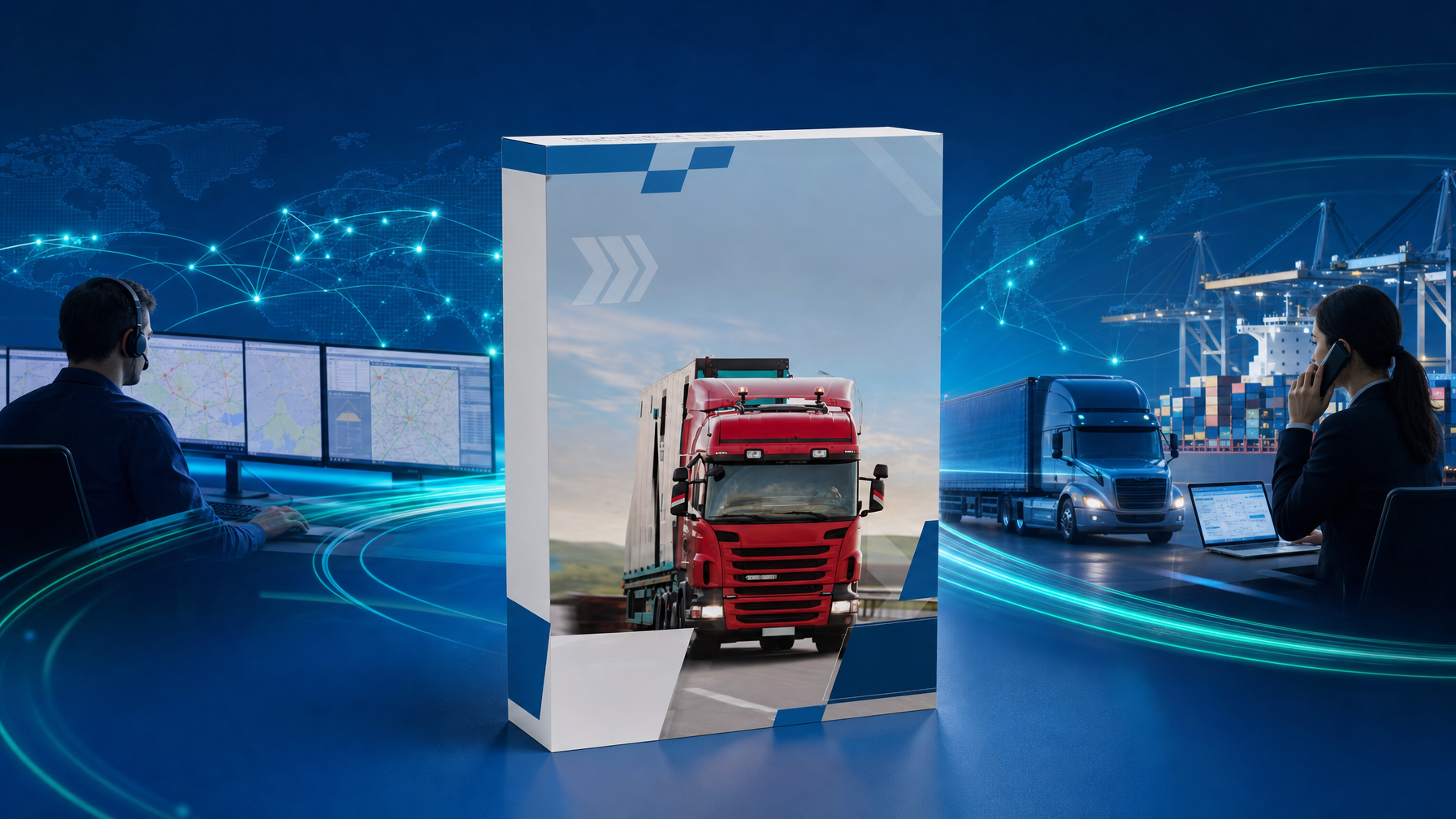
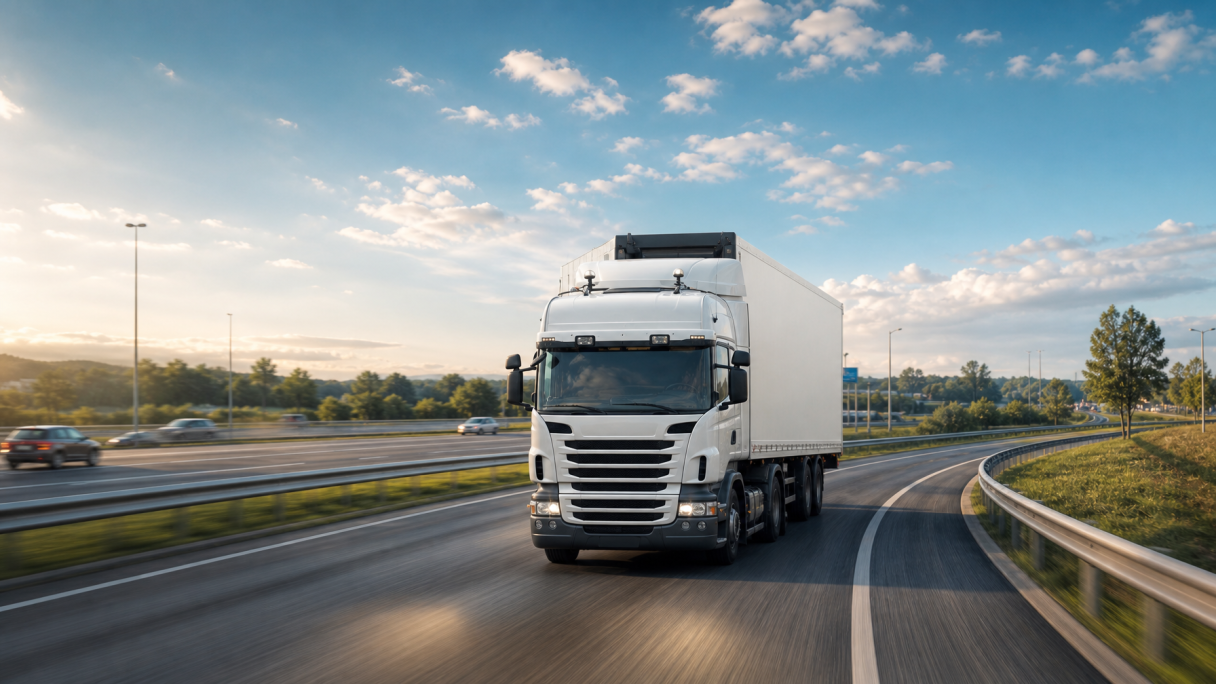
Learn how box truck dispatching works for independent dispatchers: equipment basics, freight types, rates, carrier onboarding, and how to train with Dispatcher 101 from $55/month.
TLDR
- What it is: Booking freight for straight trucks and box trucks (often 16-26 ft), usually regional and city-focused, on behalf of motor carriers.
- How you get paid: Independent dispatchers typically earn 5%–10% of each load's gross under a written service agreement.
- Why carriers hire you: You find freight, negotiate rates, and handle paperwork so drivers stay on the road (DAT box truck dispatch overview).
- How you learn fast: Dispatcher 101 teaches load boards, negotiation, contracts, and carrier setup for $55/month.
What Box Truck Dispatching Actually Is
Box truck dispatching is freight coordination for carriers that run straight trucks with an enclosed cargo box instead of a 53' semi. Your job as an independent dispatcher:
- Find legal, profitable loads that fit the truck's weight, cube, and door type
- Negotiate rate and accessorials with brokers or shippers
- Secure a rate confirmation in the carrier's name
- Track pickup, delivery, POD, and invoice handoff
- Protect the carrier from bad credit brokers and unpaid bills
You work for the carrier, not as a freight broker (unless you separately hold broker authority). DAT notes that dispatchers connect carriers with brokers and shippers, help chase better rates, and support back-office compliance, while load boards also let motivated owner-operators self-dispatch.
Why Box Trucks Are a Strong Niche for New Dispatchers
| Advantage | What it means for you |
|---|---|
| Lower equipment barrier | Many new authorities start on box trucks before semis |
| Regional density | More short hops and city work; easier to keep trucks moving |
| Retail and final-mile adjacent freight | Consistent e-commerce and store delivery patterns |
| Relationship speed | Smaller carrier pool often values responsive dispatch |
Challenges you must own:
- Lower average linehaul than long-haul 53' vans on many lanes
- Stricter liftgate, pallet jack, inside delivery, and appointment rules
- Some brokers post "box truck" freight that is really poorly paid leftover LTL
Your edge is selectivity: book freight that pays after fuel, labor, and dwell time.
How Box Truck Dispatching Works Day to Day
Morning: Capacity and boards
Confirm each truck's location, empty time, HOS, and any home-time needs. Search load boards and trusted broker lists for freight that matches length, weight, and service notes.
Midday: Cover and confirm
Call or email brokers. Negotiate all-in rate. Verify broker credit. Send the rate con to your carrier for signature. Never dispatch on a verbal-only promise.
Afternoon: Track and problem-solve
Watch ETAs, detention, and redelivery risk. Document everything. Prep the next reload before the current delivery completes.
End of day: Paper and pipeline
POD chase, invoice support, and a short list of next-day targets. Independent dispatch is a pipeline job, not a single-click job.
Equipment and Freight Types You Must Know
Common box truck setups
- 16-20 ft: lighter retail, residential-adjacent, smaller pallet counts
- 24-26 ft: higher cube; more palletized freight
- With/without liftgate and pallet jack
- CDL vs non-CDL depends on GVWR and state rules the driver/carrier must follow (you still verify what they can legally haul)
Freight that often fits
- Store deliveries and regional retail
- Appliance and furniture (watch inside delivery language)
- Parcel overflow and dedicated regional contracts
- Some expedited / partials that do not need a full semi
Freight to treat carefully
- Extreme weight near GVWR limits
- Poorly defined "driver help" that turns into free labor
- Long deadheads to cheap freight that erases the day
Money: Rates, Fees, and Carrier Math
Independent box truck dispatchers usually charge:
- Percentage: 5%–10% of load gross (most common)
- Hybrid: smaller percentage plus a modest weekly management fee
- Rare flat weekly: only when volume and expectations are crystal clear
Help carriers think in net after fuel and labor, not vanity RPM. A high RPM load with three unpaid hours of detention can lose to a slightly lower RPM load with clean live unload.
Tools that support the money side:
- Load boards such as DAT (DAT cites hundreds of millions of load posts annually across its network)
- Credit/risk checks on brokers
- Clear invoicing and factoring awareness for the carrier
Legal and Setup Basics (No Myths)
- No special federal "box truck dispatcher license." DAT's license overview explains that requirements hinge on how you operate; pure dispatch under carrier contracts differs from broker authority.
- Business entity + local registration as your city/state requires.
- Written Dispatch Service Agreement every time.
- Insurance and authority checks on FMCSA SAFER before you book.
You do not need a CDL to dispatch. The carrier needs proper authority and insurance to haul.
Skills That Separate Average From Booked-Solid
- Phone confidence with brokers who ignore weak emails
- Accessorial literacy (liftgate, inside, residential, limited access)
- Lane memory for each truck's preferred radius
- Document control (RC, BOL, POD, lumper receipts)
- Carrier honesty when a load is a bad fit
These skills are teachable. Guessing on the job is expensive.
How to Learn Box Truck Dispatching the Smart Way
Self-study on forums helps a little. Structured training helps a lot: scripts, templates, and someone to review your first carrier packet.
Dispatcher 101 is built for independent dispatch careers:
- 50+ hours of practical video on boards, calls, and workflow
- 100+ templates (agreements, carrier packets, trackers)
- Mentorship when your first box truck sits empty on a Tuesday
- $55/month so you can learn while you build
Mention box truck goals when you train; the core dispatch process is the same engine you will later use for vans or flatbeds.
Frequently Asked Questions
What is box truck dispatching?
It is the service of finding, negotiating, and managing freight for carriers that operate enclosed straight trucks, usually under a percentage-based contract.
Do I need my own trucks?
No. Independent dispatchers serve other people's motor carrier authority.
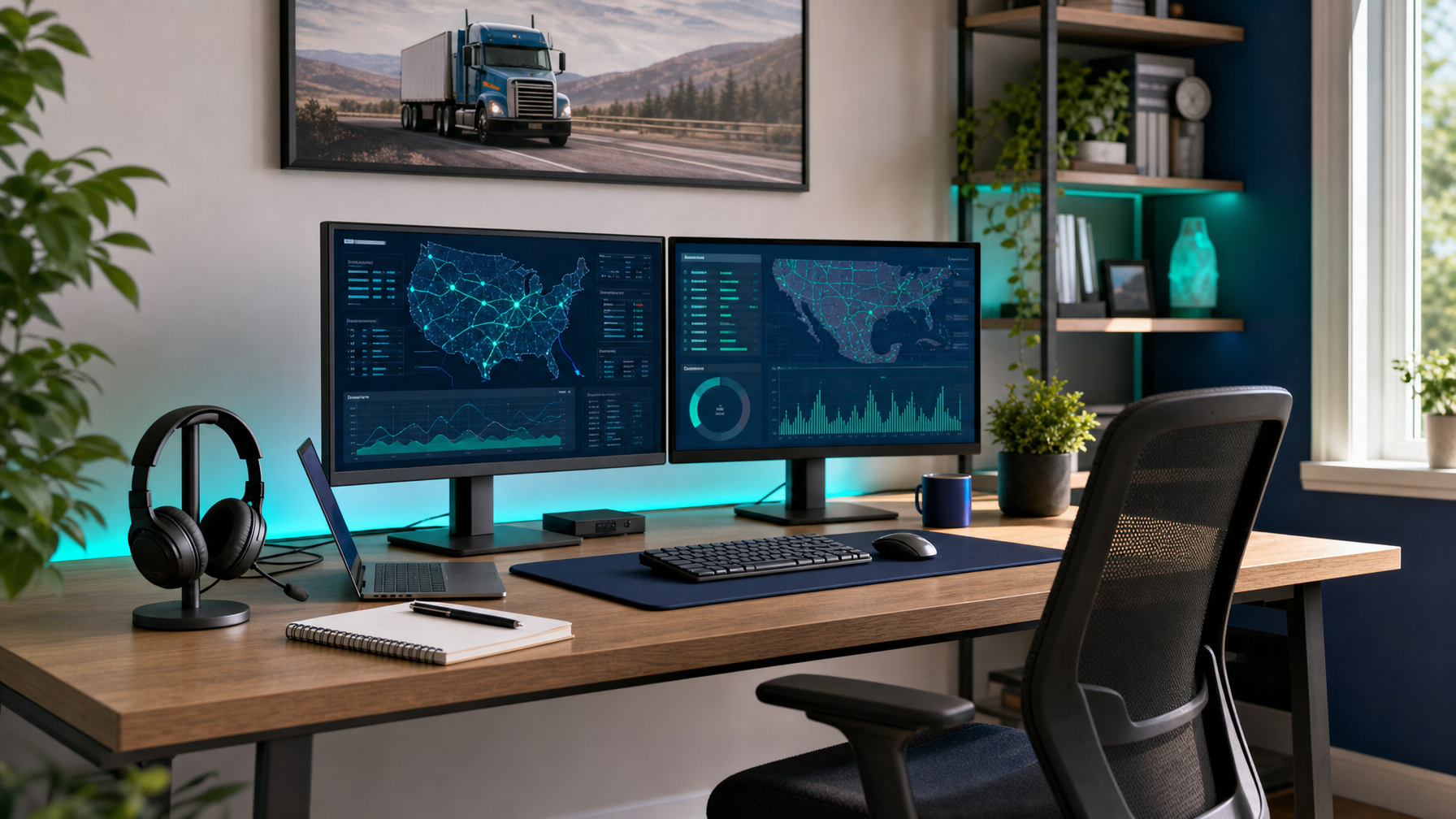
Can I dispatch box trucks from home?
Yes. Home-based dispatch is standard when your communication and documentation are professional (DAT on dispatch from home tools and workflow).
How many trucks should I start with?
One solid owner-operator beats five chaotic ones. Master rhythm, then scale.
Is box truck dispatching easier than semi dispatch?
Different, not automatically easier. Shorter hauls can mean more touches per day and tighter appointment pressure.
Where should I train?
Start with a dispatcher-focused program such as Dispatcher 101 rather than a broker-only course if your goal is carrier-side dispatch.
Start Dispatching Box Trucks With Confidence
Box truck dispatching rewards organized, phone-ready independents who protect carrier profit on every rate con. Learn the process, lock your contracts, and grow truck count only as your systems hold.
Train with Dispatcher 101 for $55/month and turn box truck freight into a remote business you control.